









GMP certification gets printed on packaging across the food industry. Few brands explain what the certification actually required them to prove. Here is what happened at Spicewale's facility — and why it matters more than the badge itself.
What GMP actually stands for — and what it doesn't
Good Manufacturing Practice (GMP) is not a marketing term. It is a documented quality system standard that covers how raw material is received, how it is cleaned and handled, how the facility maintains hygiene, how staff are trained, and how the final product is packed and stored before it reaches the consumer. A GMP certificate is issued only after an external body independently assesses these processes against a defined standard — not after a brand simply applies for one.
Spicewale holds GMP Certificate No. UQ-2036111A9, issued by UK Global Certification & Inspection Limited, based in Ruislip, London. The certificate covers our scope of activity — retail and trading of spices, pulses, cereals, edible oil, and dairy products — at our facility, Shop No. 91, Shriram Nagar Market, Mandore Mandi, Krishi Mandi, Jodhpur. It was issued on 09 June 2026 and remains valid until 08 June 2029, with mandatory surveillance audits scheduled for 2027 and 2028.
What the audit actually looked at
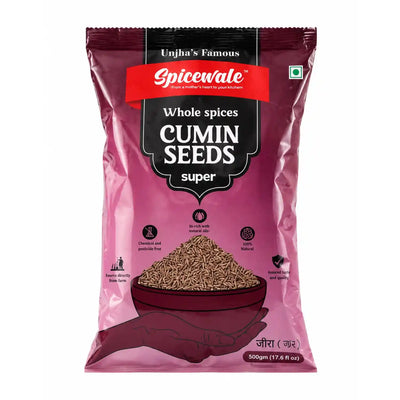
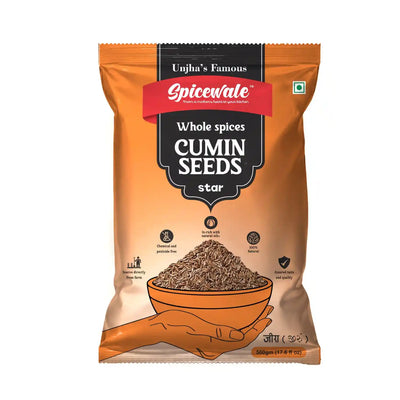
GMP assessment is not a paperwork exercise. The auditors evaluated our facility against specific quality system criteria — including how we receive raw whole spices like Jeera Star and Fennel Seeds from the mandi, how our cleaning line removes stones and dust before packing, how seeds going through our Double Sorted process — like Chia Seeds and Flax Seeds — are handled across two full passes, and how our Bilona A2 Ghee and Cold Pressed Oils are packed without contamination risk.
The certificate is conditional — it explicitly states that validity is dependent on continuous surveillance and positive results from scheduled audits. This is the part most consumers never see on a packaging badge: GMP is not a one-time achievement. It is an ongoing commitment that gets re-verified on a fixed schedule. If our processes slip, the certification can be withdrawn.
Why this matters for a product like Cashew W320
Consider a product like Cashew W320. The grade itself — whole, 320 pieces per pound — is a sourcing decision. But the cleanliness of that cashew when it reaches your kitchen is a manufacturing decision. GMP certification is the external verification that our facility has documented, auditable processes for exactly this step — removing shell fragments, sorting discoloured pieces, and packing without cross-contamination from other products on our line.
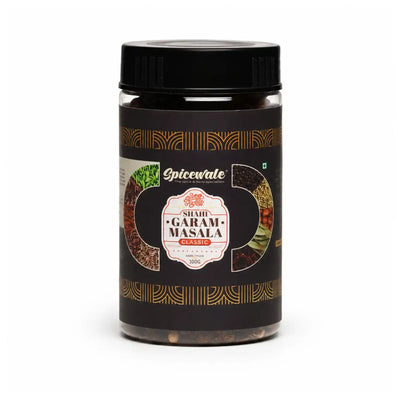
The same logic applies across our entire catalog — from Mamra Badam to Gond Katira to our Garam Masala Mix Sabut. GMP certification doesn't tell you the product tastes good. It tells you the process that produced it is documented, auditable, and was independently verified by a third party with no commercial interest in our sales.
What GMP does not certify — and why that matters
It is important to be precise here. GMP certification covers manufacturing and handling quality systems. It does not certify organic status, it does not test for specific nutritional claims, and it does not replace product-specific lab testing. We hold GMP alongside FSSAI licensing and HACCP certification — each covering a different part of the quality picture. A brand that only shows one badge is showing you one piece of a much larger system.
Why we are telling you this instead of just showing a logo
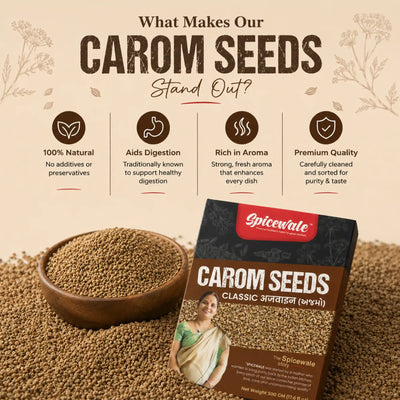
Most brands print certification logos in a footer and move on. We think the badge means very little without the explanation behind it. GMP certification is one part of how we back up claims like "cleaned in-house" and "no additives" across our entire product range — not a sticker that exists for decoration.
If you want to verify any of this yourself, our certificate number is UQ-2036111A9, issued by UK Global Certification & Inspection Limited. You are welcome to check it.
Andar se saaf — verified by someone other than us.
0 comments